When you think of Florida, you might picture pristine beaches, bustling theme parks, or nightlife hotspots. But for those who crave raw, untamed nature, visiting the Everglades in Florida offers a completely different – and unforgettable – experience. Spanning over 1.5 million acres across southern Florida, the Everglades National Park is one of the most unique ecosystems in the United States and the largest subtropical wilderness in the country.
Whether you’re a wildlife enthusiast, eco-tourist, photographer, or family traveler, visiting the Everglades in Florida is a journey into a landscape teeming with rare species, lush vegetation, and mysterious beauty. This guide covers everything you need to know before your adventure.
What Are the Everglades?
The Florida Everglades are a complex network of slow-moving freshwater rivers, sawgrass marshes, mangrove forests, and cypress swamps. Often misunderstood as a swamp, the Everglades is technically a “river of grass” – a shallow, slow-moving river that stretches roughly 100 miles from Lake Okeechobee down to Florida Bay.
This World Heritage Site, International Biosphere Reserve, and Wetland of International Importance is home to hundreds of animal species, many of which are found nowhere else in the United States. The park protects endangered animals like the Florida panther, American crocodile, and West Indian manatee.
Why You Should Visit the Everglades
Visiting the Everglades in Florida isn’t just about seeing nature—it’s about experiencing it. The sheer diversity of flora and fauna, combined with the serene, otherworldly setting, makes it one of the most unique national parks in the country.
Here are a few reasons to add it to your bucket list:
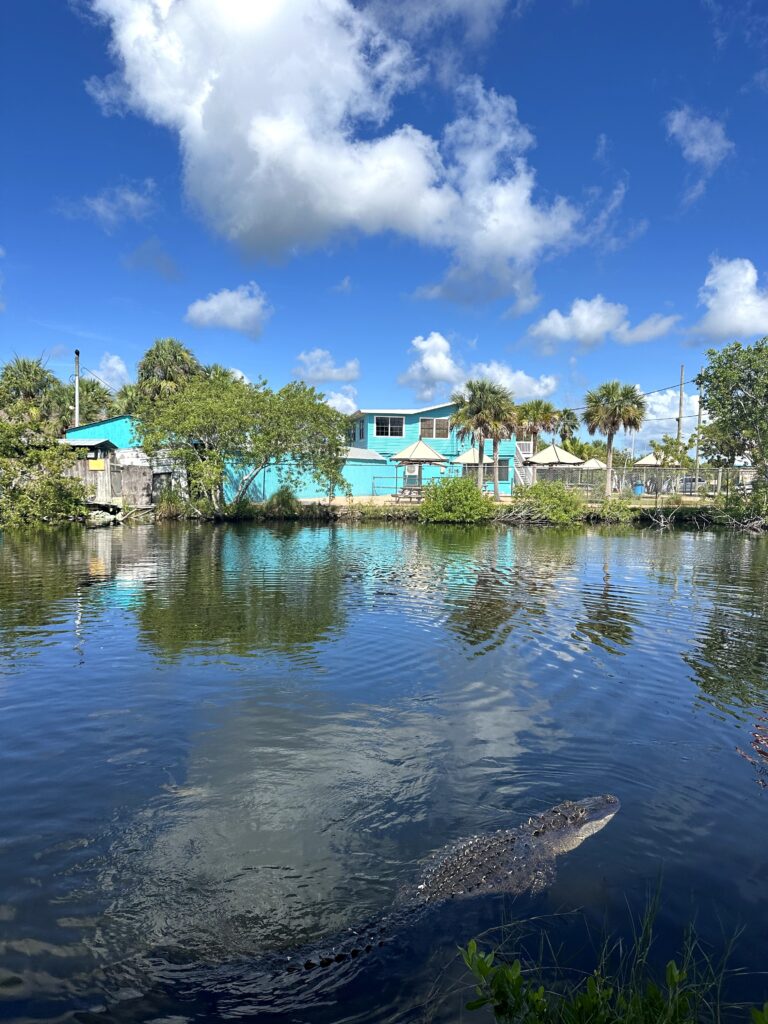
- Wildlife Viewing: See alligators, manatees, turtles, herons, spoonbills, and even the elusive panther in their natural habitat.
- Adventure Activities: From airboat rides and kayaking to hiking and biking, there’s no shortage of ways to explore.
- Eco-Education: Learn about the Everglades’ fragile ecosystem and the efforts to conserve it through ranger programs and visitor centers.
- Photographic Beauty: Sunrise over the marsh, birds in flight, and endless water reflecting the sky—perfect for photographers.
Best Time to Visit the Everglades
The Everglades have two primary seasons: dry (November–April) and wet (May–October).
Dry Season (Peak Travel Season)
- Best time for wildlife viewing (animals congregate near water sources).
- Fewer mosquitoes.
- Ranger programs and tours are fully operational.
Wet Season
- Fewer crowds.
- Lush, green landscapes.
- Afternoon thunderstorms are common.
- Expect more insects and limited services.
Pro tip: If you’re planning on visiting the Everglades in Florida for the first time, the dry season is the most comfortable and wildlife-rich time to go.
How to Get to the Everglades
There are several entrances to Everglades National Park, each offering different activities and access points:
- Shark Valley Visitor Center (near Miami): Best for biking, tram tours, and short hikes.
- Ernest F. Coe Visitor Center (Homestead): Gateway to Royal Palm and Flamingo areas.
- Gulf Coast Visitor Center (Everglades City): Entry point for exploring Ten Thousand Islands and mangrove habitats by boat or kayak.
If you’re flying in, Miami International Airport (MIA) and Fort Lauderdale-Hollywood International Airport (FLL) are the closest major airports.
Top Things to Do When Visiting the Everglades
Take an Airboat Ride
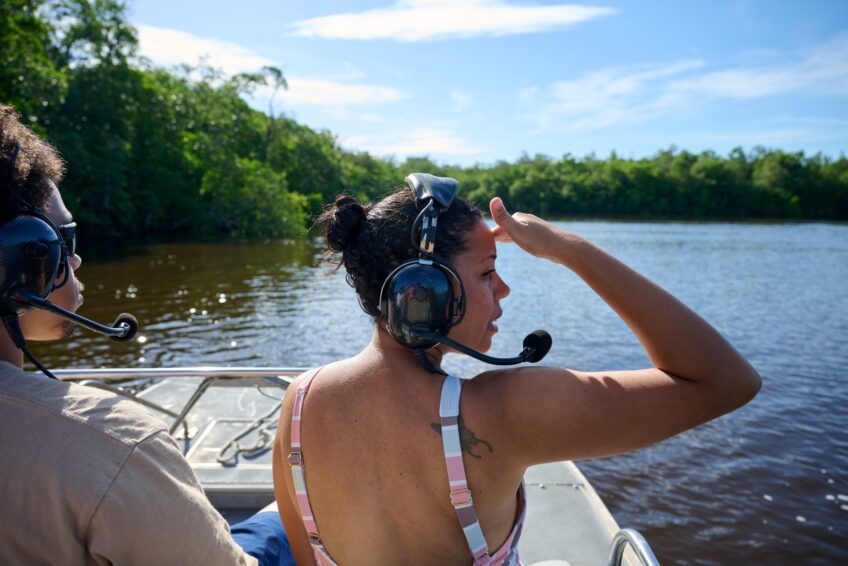
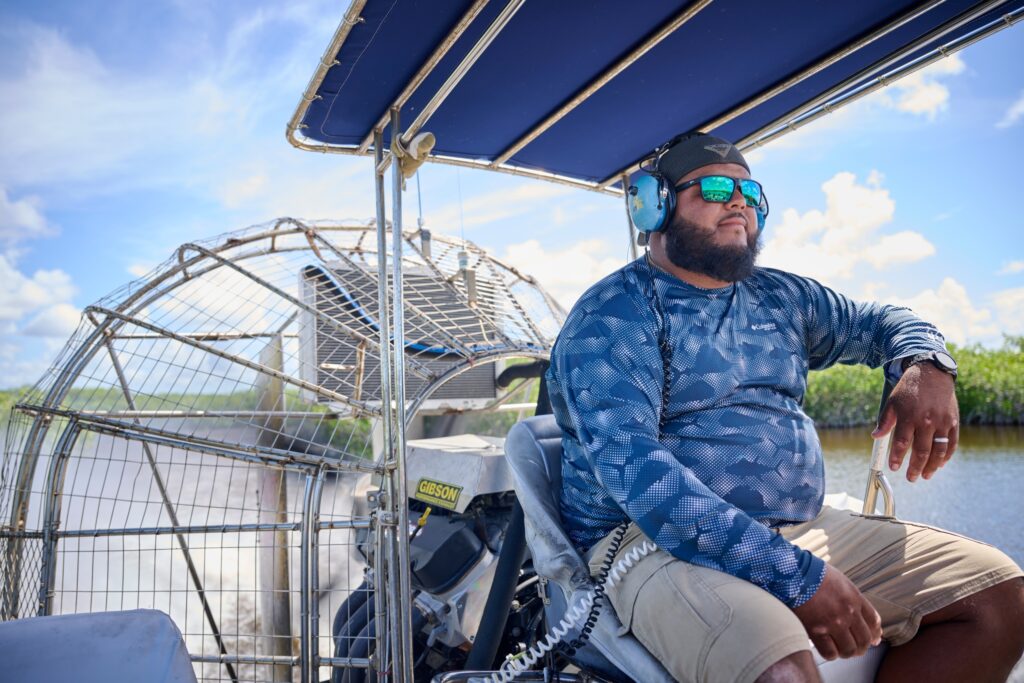
One of the most iconic ways to explore the Everglades is on an airboat tour. These flat-bottomed boats are propelled by large fans and allow you to skim over the shallow wetlands while getting up close to alligators, birds, and more.
Popular airboat tour operators include:
- Gator Park
- Coopertown Airboats
- Everglades Safari Park
Hike the Anhinga Trail
This easy, accessible boardwalk trail near the Royal Palm Visitor Center is one of the best spots for wildlife viewing. It’s named after the anhinga, a snake-like bird that you’ll likely spot drying its wings in the sun.
Explore Shark Valley
Located about 45 minutes from Miami, Shark Valley offers a 15-mile paved loop where you can bike or take a tram to a 65-foot observation tower. From there, enjoy panoramic views of the “river of grass” and spot gators sunbathing just feet from the path.
Visit Flamingo
At the southernmost part of the park, Flamingo is perfect for paddlers and campers. You can rent kayaks, go backcountry camping, or take a boat tour into Florida Bay. Keep your eyes peeled for manatees and dolphins!
Go Bird Watching
The Everglades is a birder’s paradise with over 360 species of birds, including roseate spoonbills, great blue herons, ospreys, and bald eagles. Prime birding locations include Eco Pond, Snake Bight Trail, and Paurotis Pond.
Paddle Through the Wilderness
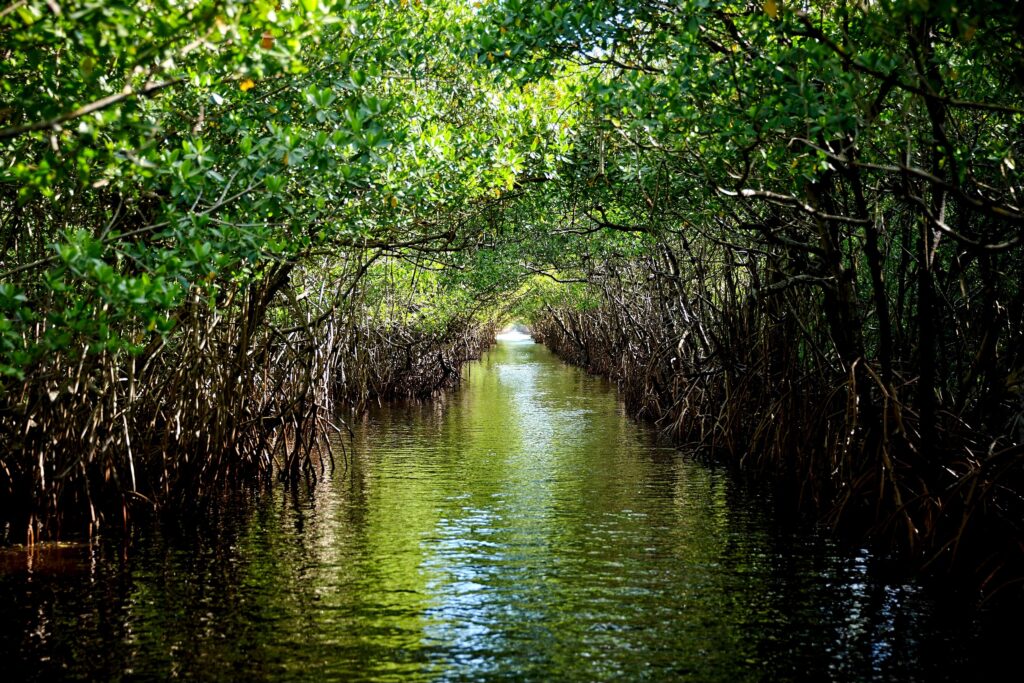
Canoeing or kayaking through mangrove tunnels and sawgrass marshes offers a peaceful, immersive way to see the Everglades. Popular routes include:
- Nine Mile Pond
- Hell’s Bay Canoe Trail
- Turner River Canoe Trail (in Big Cypress National Preserve)

What to Bring When Visiting the Everglades
Preparation is key when heading into this wild, humid terrain. Be sure to bring:
- Bug spray (with DEET)
- Sunscreen and hat
- Reusable water bottle
- Comfortable walking or hiking shoes
- Binoculars and camera
- Rain poncho (especially in the wet season)
- Park map or downloaded offline app (cell service is limited)
Safety Tips for Your Visit
- Stay on designated trails and boardwalks.
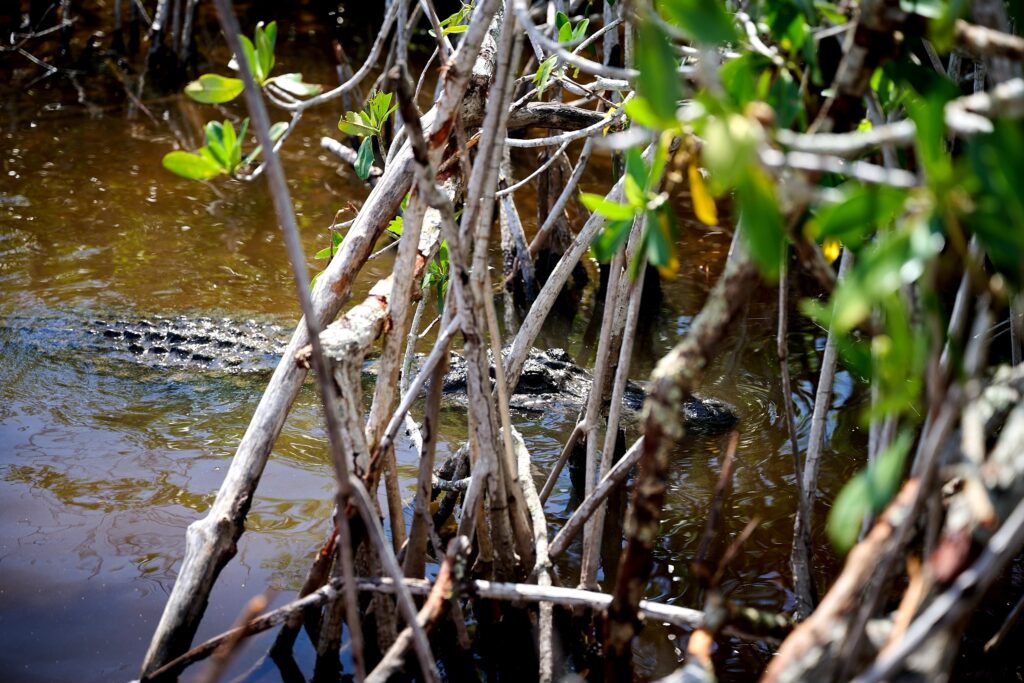
- Don’t feed or approach wildlife, especially alligators.
- Watch your step—roots, water, and wildlife can make the terrain tricky.
- Drink plenty of water, especially in the heat.
- Check for park alerts before you go
Other Parks Near the Everglades
In addition to Everglades National Park, nearby natural areas worth exploring include:
- Big Cypress National Preserve: More remote and rugged, with scenic drives and swamp walks.
- Fakahatchee Strand Preserve State Park: Known for ghost orchids and panther sightings.
- Biscayne National Park: Offers snorkeling, diving, and boating among coral reefs and shipwrecks.

Where to Stay
You can camp inside Everglades National Park or choose from nearby hotels in:
- Homestead
- Everglades City
- Florida City
Flamingo Campground and Long Pine Key Campground are great options for tent or RV camping. Backcountry permits are required for more remote overnight trips.
Why Visiting the Everglades in Florida is a Must
Visiting the Everglades in Florida is more than a nature escape – it’s a rare chance to experience one of the most biodiverse, awe-inspiring landscapes in North America. Whether you’re gliding across the water on an airboat, paddling through mangroves, or simply watching an alligator sunbathe from a boardwalk, the Everglades offers unforgettable moments that connect you deeply with the natural world.
So pack your camera, your curiosity, and your sense of adventure – and make sure to put the Everglades at the top of your Florida travel list.
Heading to the Everglades?